


Places to Visit
Home Sultan Bayezid II Complex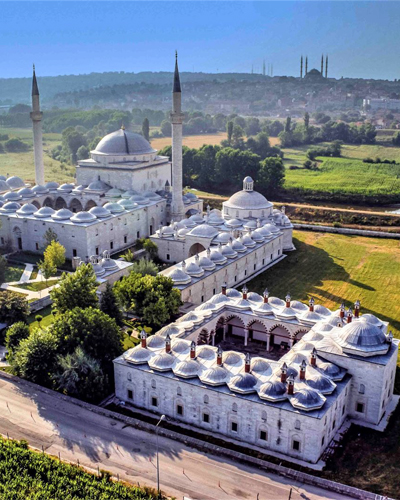
Sultan Bayezid II Complex
The Bayezid II Complex and Hospital is among the most important Ottoman works in Edirne. Built by Sultan Bayezid II in the late 15th century, the complex was planned not only as a religious center but also as a health, education, and social life area. Located on the banks of the Tunca River, the complex is considered one of the important examples reflecting the Ottoman's human-centered urban planning. Today, it is one of the most visited historical sites in Edirne.
The complex includes a mosque, madrasa (religious school), imaret (soup kitchen), hammam (bathhouse), and hospital. The hospital, in particular, is known as one of the most important centers in Ottoman medical history. In its time, this structure, where mentally ill patients were treated with music and the sound of water, is considered among the early health centers in the world. The Ottoman approach to modern medicine was implemented here.
The architectural details used in the hospital are noteworthy. The acoustic structure created by the dome system is designed to enhance the effect of music therapies. The rooms surrounding the courtyard allow patients to be treated in a calm environment. The sound of flowing water inside the building still offers visitors a peaceful atmosphere today.
The area where the complex is located, along with its natural surroundings, creates an impressive sight. The green spaces and historical bridges, especially around the Tunca River, offer visitors a unique urban experience. The atmosphere in the autumn months further highlights the historical texture of the complex. Therefore, the region attracts significant interest in terms of photography and cultural tourism.
The Bayezid II Complex and Hospital currently serves as a museum. Inside, medical instruments, treatment methods, and reenactments from the Ottoman period are displayed. Both domestic and foreign tourists visit the structure, particularly to closely examine Ottoman medical history. Its value in the history of health has also drawn international attention.
Today, the complex is considered one of the most important structures representing Edirne's cultural and historical identity. Showcasing not only the architectural but also the social and scientific advancements of the Ottoman Empire, the structure allows visitors to experience the multifaceted way of life of the past. It offers a unique experience for those who want to see history, art, and health culture together.
 October 27-31 2026
  Edirne
  Edirne Tango Meeting
 October 29-31 2026
 Register